
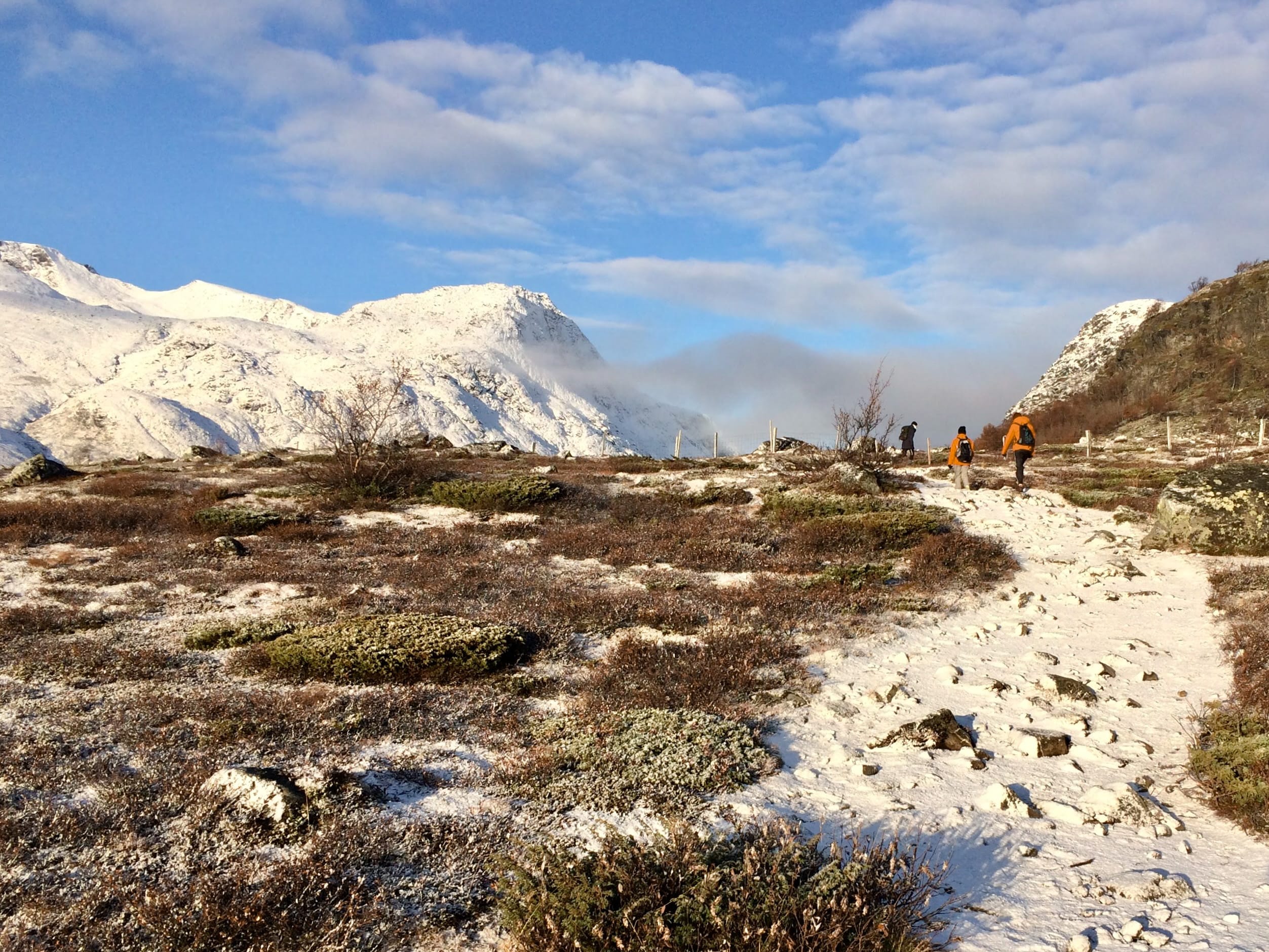
How to Layer for Cold-Weather Hiking: A Quick Guide to the Essentials
When temperatures drop, the thought of going for a hike might become more intimidating. Although it is true that cold-weather hiking takes a little extra research and preparation, the beautiful winter landscapes that await you out on the trail are well worth the extra effort!
One of the most effective strategies for staying warm and comfortable during cold weather hiking is mastering the art of layering. By understanding how to effectively layer clothing, you can regulate your body temperature, manage moisture, and stay protected from the elements – all of which will help make sure that you have an enjoyable and safe outdoor experience. This post lists some tips on how to layer for cold-weather hiking.
In addition to making smart clothing choices, be sure to research your local conditions so that you are aware of any hazards such as weather or avalanche risk. In addition, remember that trails covered by snow can be more difficult to see (and, thus, easier to get lost on), so plan your route accordingly.
Cold-Weather Hiking Checklist
Base layer
Your base layer is the layer closest to your skin. This layer should wick moisture away from the body, keeping you dry and comfortable during physical exertion. It is easy for your base layer to get a bit damp if you’re working up a sweat, so make sure that it is made out of a material that retains its insulating properties even if it gets wet.
Wool – especially merino wool – is a great material for your base layer because it does exactly that. It also has antimicrobial properties, is resistant to smell, and is biodegradable. Make sure that your wool items are ethically sourced, and be sure to store them properly during the summer to keep them from getting chewed on by moths!
Conversely, avoid cotton for your base layer at all costs. Wet cotton is a direct path to being cold and uncomfortable on the trail, and this can be dangerous if you’re outside long enough.
Wool underwear
When choosing outdoor gear, underwear often gets overlooked. However, since this is the closest fabric to your skin, it is important to choose a fabric that won’t make you cold if it gets damp from sweat.
Wool underwear might sound itchy, but there are plenty of good brands (for example, Icebreaker or Smartwool) that sell very comfortable options! Merino wool is thinner and softer than normal wool, which makes it more comfortable to wear next you your skin.
Wool shirt
A wool shirt will ensure that what you are wearing close to your body will still keep you warm if it gets damp.
Long underwear
Don’t forget long underwear to help insulate the lower half of your body. This quickly became one of my most indispensable articles of clothing when I moved to Norway!
Wool socks
You don’t want to get cold feet during your hike! Wool socks will keep your feet warm even if they get a little wet, which is especially likely to happen if you’re hiking in the snow.
Mid layer
The primary purpose of your mid-layer is to provide insulation by trapping heat close to your body. Your choice of mid-layer clothing may depend on conditions, how long you will be outside, and just personal preference, but popular choices include a fleece jacket, a sweater, or a down jacket. Your mid layer should be able to help you stay warm if you stop for a break, but you should be able to remove it if you get too warm while moving.
Fleece jacket or wool sweater
A cozy fleece or wool sweater provides additional insulation and makes for a versatile mid-layer piece.
Puffer jacket
A puffer jacket is designed to hold air next to your body to retain your body heat. I suggest choosing one that is light and packs down small so that you can easily carry it in your backpack if you get too warm.
Outer layer
Your outer layer, also known as the shell layer or outer shell, serves as a barrier against the elements, including wind, rain, and snow. It should be windproof and waterproof, but, ideally, still breathable enough to allow water vapor to escape, which will prevent moisture buildup. You may opt for a hardshell jacket for harsh conditions or a softshell jacket for more breathable and flexible protection.
Hiking pants
A good pair of hiking pants is a necessity! Winter hiking pants should be durable and keep the wind off your legs.
Hi-tech fabrics like Goretex are also useful in helping moisture escape. They are designed with tiny holes meant to let damp air escape while keeping out larger water droplets like rain. However, this may not work perfectly, so look for other forms of ventilation as well when selecting a jacket!
Shell jacket or raincoat
A shell jacket or raincoat helps block out wind and rain. Look for a model that has zips under the arms so that you still get some ventilation – crucial for keeping you dry inside as well as outside your jacket.
Rain pants
You might need to keep your legs dry, too – especially on a muddy trail! Rain pants are perfect for this.
Footwear and accessories
Don’t forget the final touches!
Backpack
All these layers allow you to easily wear more or less depending on your current temperature, but you need somewhere to keep all the clothes that you aren’t wearing at the moment! A good hiking backpack will make carrying your gear a lot more comfortable.
Warm hat
You lose a lot of heat from your head, so be sure to bring a hat! Personally, I tend to get headaches if my ears are a lot colder than the rest of my body, so a hat is essential to my comfort on the trail.
Mittens or gloves
It’s important to keep your hands warm too! I prefer mittens because they keep my fingers warmer than gloves.
Neck gaiter or buff
A neck gaiter or buff is a great way to keep heat in and wind out and is a very versatile accessory. These come in all different materials, but for cold weather, it is best to choose one made from wool or fleece.
Hiking boots
Last but not least, be sure that you have waterproof hiking boots to keep your feet warm and dry on the trail! I’ve been using this pair by Scarpa for the past few years. They’ve held up amazingly and still keep my feet very dry in wet conditions.
Additional tips for staying warm
- Tuck in your clothes to keep cold air from reaching your skin! I notice a huge difference between when I have or haven’t tucked my shirt in.
- Again, pay attention to ventilation. A major factor in staying warm is allowing perspiration to escape so that you stay dry.
What to avoid
- Again, in most cases, you should avoid cotton or other plant-based fabrics, as they lose their ability to retain heat when they get wet.
- Don’t overdress if you’re going to be active. If you’re comfortably warm at the start, you’re going to be way too warm while moving and then freezing when you stop from the sweat. Try wearing one less layer than is comfortable in the beginning.
…
This post listed some quick tips on how to layer for cold-weather hiking. Remember that dressing properly for hiking, especially in lower temperatures, is an important part of being prepared – and being prepared is a vital part of outdoor safety. Make sure that you have everything you need before you set off so you can focus on having fun out there!
For more hiking gear tips, you can also check out my day hike packing list. If you’re just getting into hiking, you might also be interested in my post on hiking tips for beginners.
…
Note: As an Amazon Associate, I may earn from qualifying purchases at no extra cost to you. All opinions are my own. Thank you for supporting This Wild Planet!